ABERCROMBIE & FITCH
PROCESS
-
In crafting the case study for Abercrombie & Fitch, I began by thoroughly analyzing the company's history, focusing on its evolution under Mike Jefferies' leadership and the implications of its marketing strategies on societal perceptions of body image and inclusivity.
-
I conducted extensive research to gather data on Abercrombie & Fitch's business model, financial performance, and consumer sentiment, drawing insights from sources such as documentaries, case studies, and industry reports.
-
I then synthesized this information to identify key issues and opportunities, particularly regarding the need for the brand to adapt to changing consumer values and preferences.
-
Crafting strategic recommendations involved brainstorming potential solutions, evaluating their feasibility and potential impact, and ultimately presenting a comprehensive plan for the company's transformation.
Summary
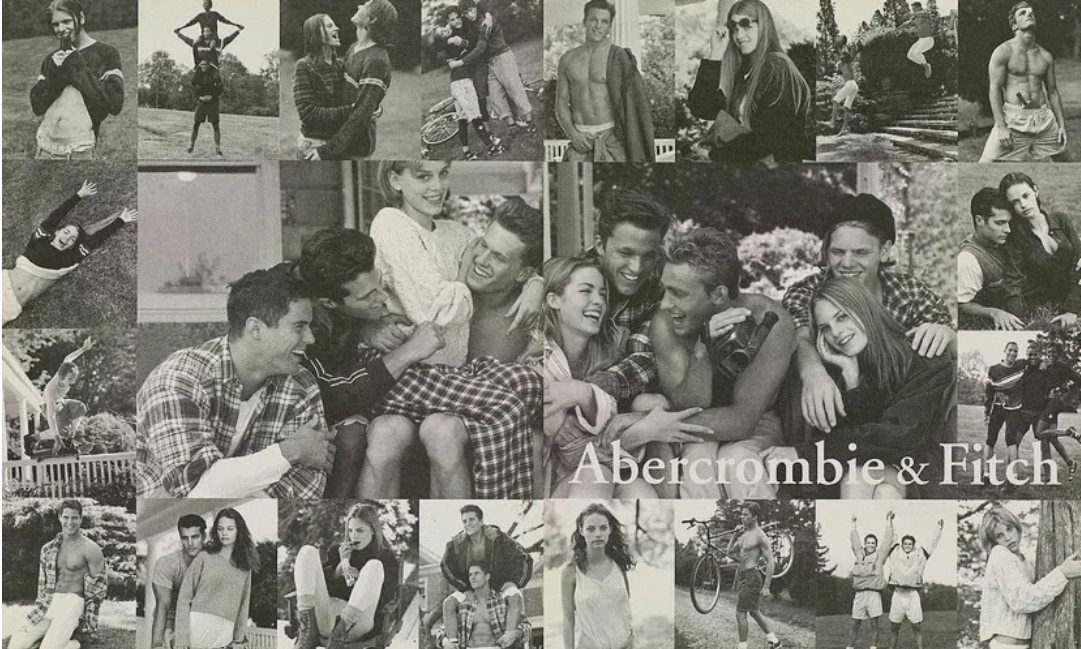
Mike Jeffries' discriminatory practices at Abercrombie & Fitch, particularly targeting overweight individuals, not only perpetuated harmful body standards but also created a negative atmosphere for impressionable young teens aspiring to fit into his narrow definition of "cool" and "sexy." By failing to address these issues despite declining revenue and profits, Jeffries prioritized his personal ideals over the well-being of consumers and the brand's reputation. Implementing inclusive sizing and shifting the brand's mission to focus on making consumers feel confident and sexy in Abercrombie & Fitch clothing could have broadened the target market and potentially revitalized the brand's image. This would align with the growing consumer demand for authenticity and realistic representation in advertising, ultimately benefiting both the company and its customers.
RECOMMENDATIONS
My first recommendation revolves around publicly announcing the brand's revamp across social media platforms and through in-person interactions. Leveraging the revamp as engaging content can effectively convey the authenticity of the rebranding effort to consumers. Additionally, this approach can help provide clarity and justification for any changes or delays in production or shipping that may occur during the transition. Another suggestion is to introduce promotional deals or coupons while the rebranding process is underway. Offering discounts for both existing and new customers can pique the interest of the evolving target market, enticing them to participate in the brand's early stages of revitalization. Engaging these new customers early on can serve as an organic marketing strategy, fostering brand loyalty and generating positive word-of-mouth.